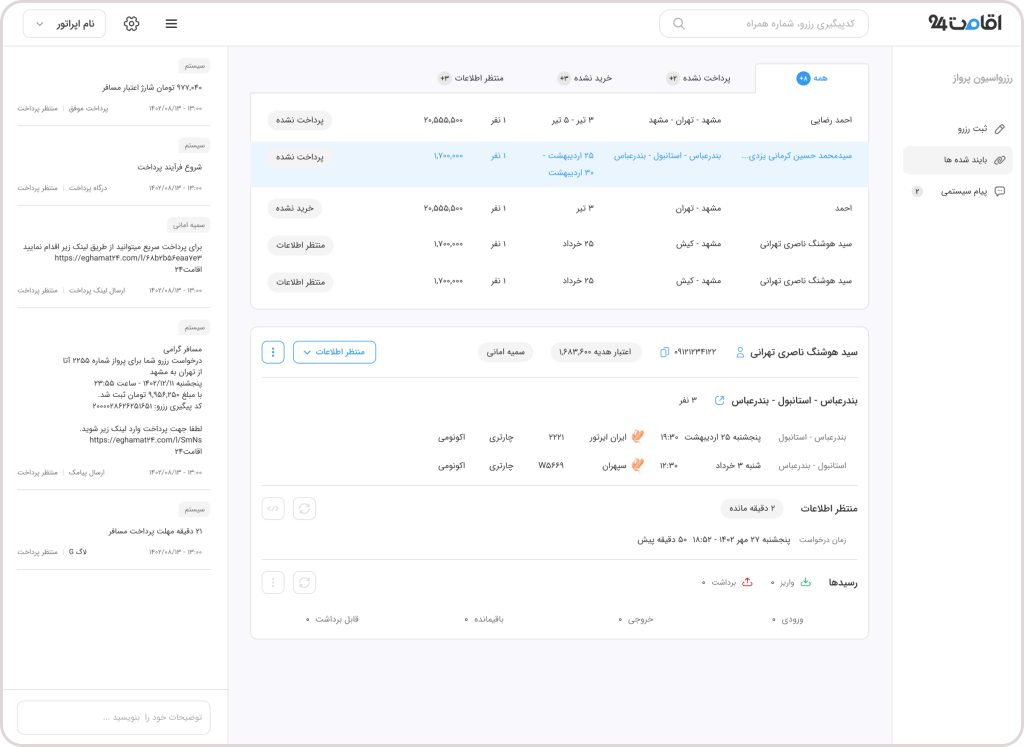
Project Overview
At Eghamat24, the Call Center team managed thousands of tour and flight reservations every day. However, there was no dedicated internal panel for handling these operations. Agents relied on fragmented tools and manual workflows, making daily tasks slower, more error-prone, and difficult to scale.
The project was initiated by the Product Manager, Product Owner, and Call Center Manager with the goal of creating a unified internal platform for reservation management.
.
Project Information
| Role | Product Designer |
|---|---|
| Company | Eghamat24 |
| Team | Product, Development, Call Center |
| Project Type | Internal Dashboard |
| Status | Released |
.
Understanding the Operators’ Workflow
Before starting the design process, I focused on understanding how call center agents actually worked.
Instead of making assumptions, I spent time observing two call center operators while they handled real customer requests. I followed the entire workflow—from receiving a customer call to completing reservation-related operations—to identify pain points and opportunities for improvement.
This helped me understand the real business process rather than designing based solely on requirements.
The workflow typically looked like this:
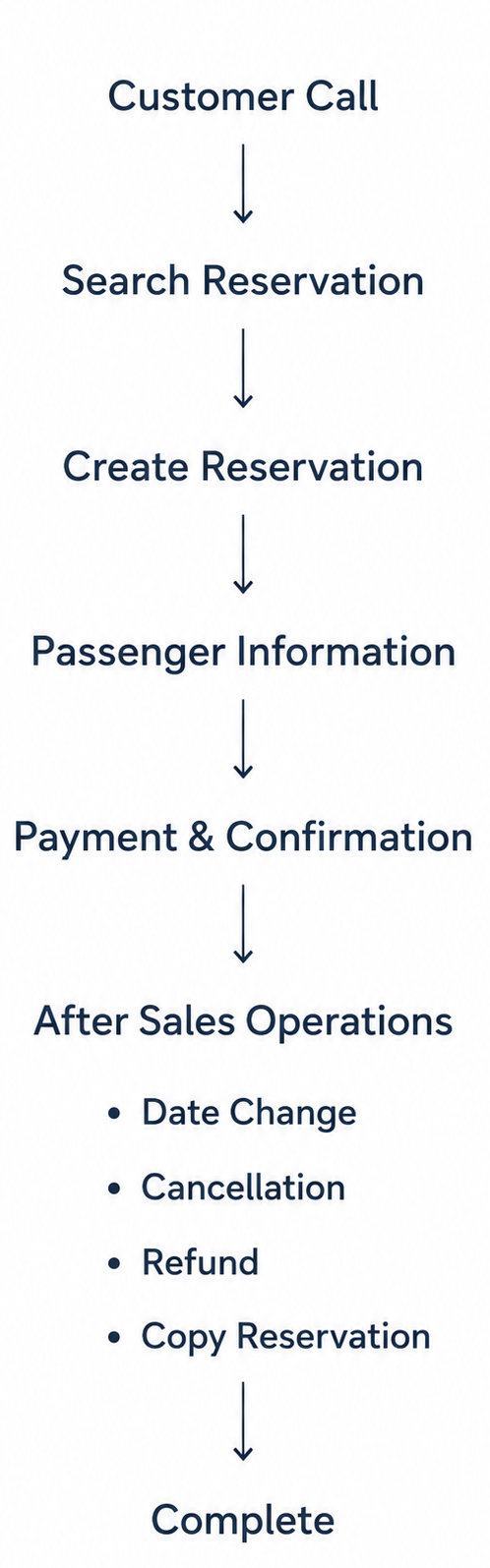
The biggest friction occurred during After Sales Operations, where agents frequently switched between different sections to complete actions such as refunds, cancellations, and date changes. In addition, the Tour and Flight panels followed different interaction patterns, increasing cognitive load and slowing down daily operations.
.
My Role
As the Product Designer, I was responsible for:
- Understanding operators’ workflows and business requirements
- Designing the complete panel experience
- Creating reusable components based on the Design System
- Collaborating closely with Product Managers and developers
- Supporting implementation until release
.
Design Decisions
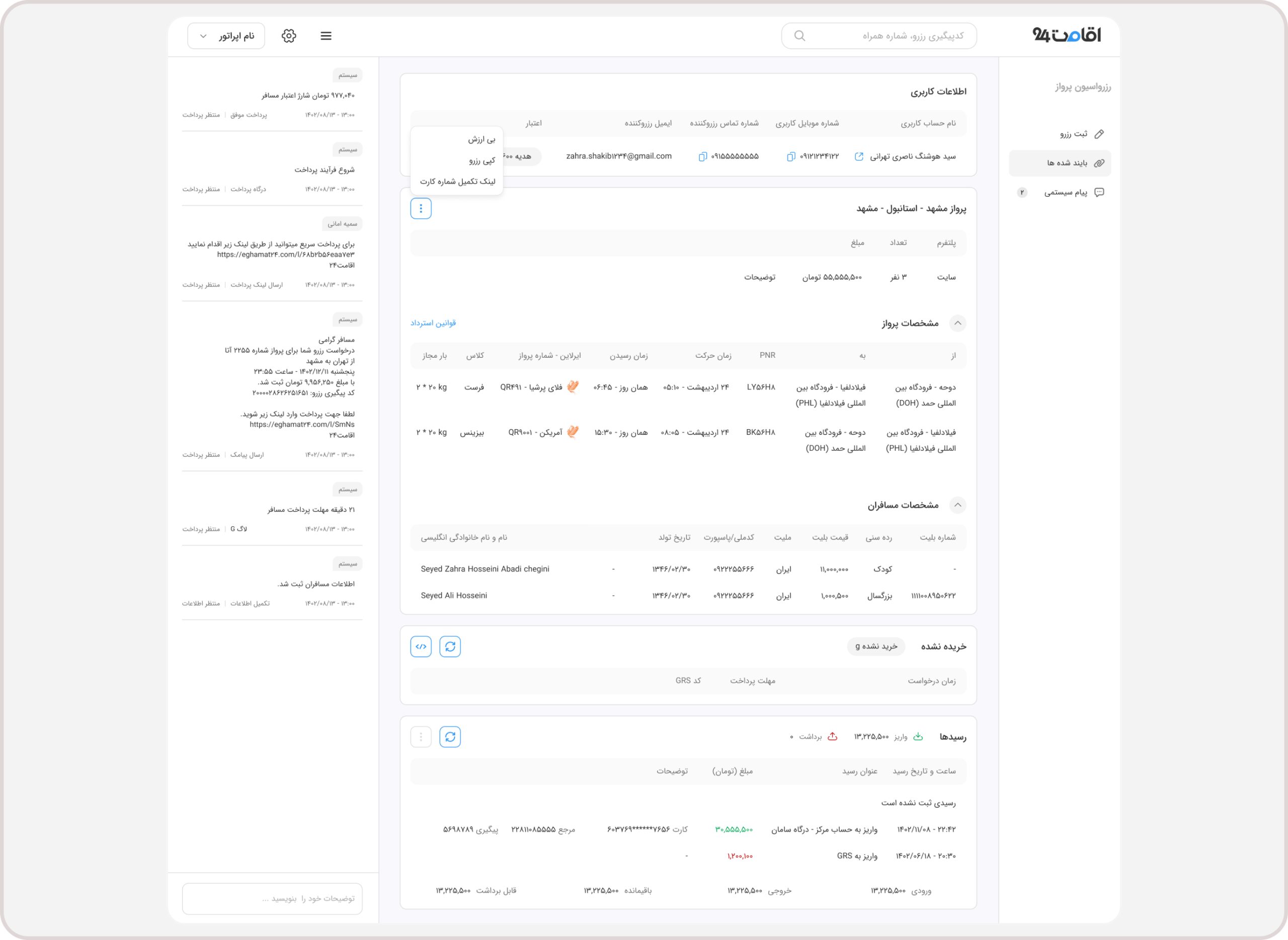
Based on the research findings, the redesign focused on simplifying operators’ daily workflows while creating a scalable foundation for future development.
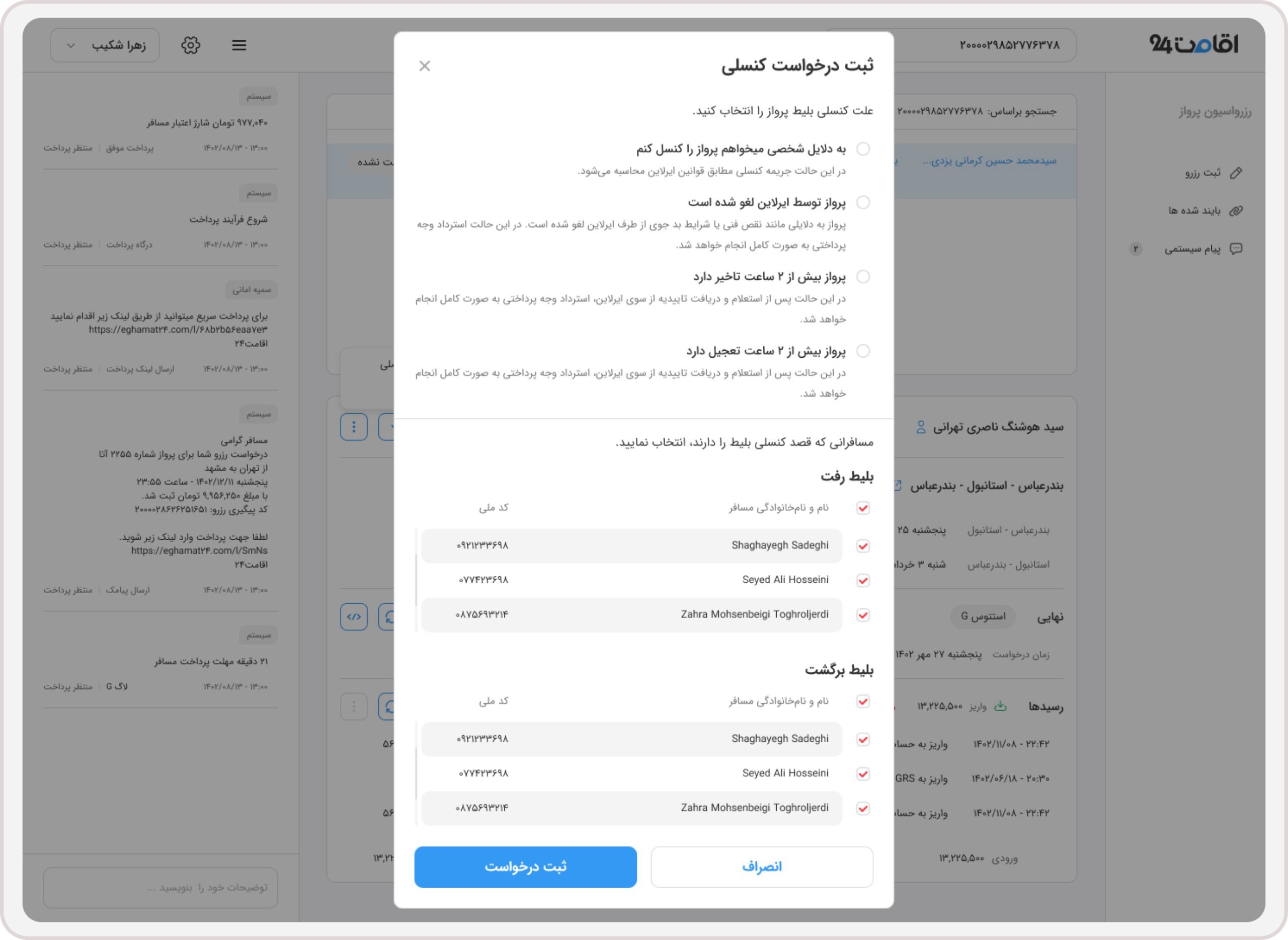
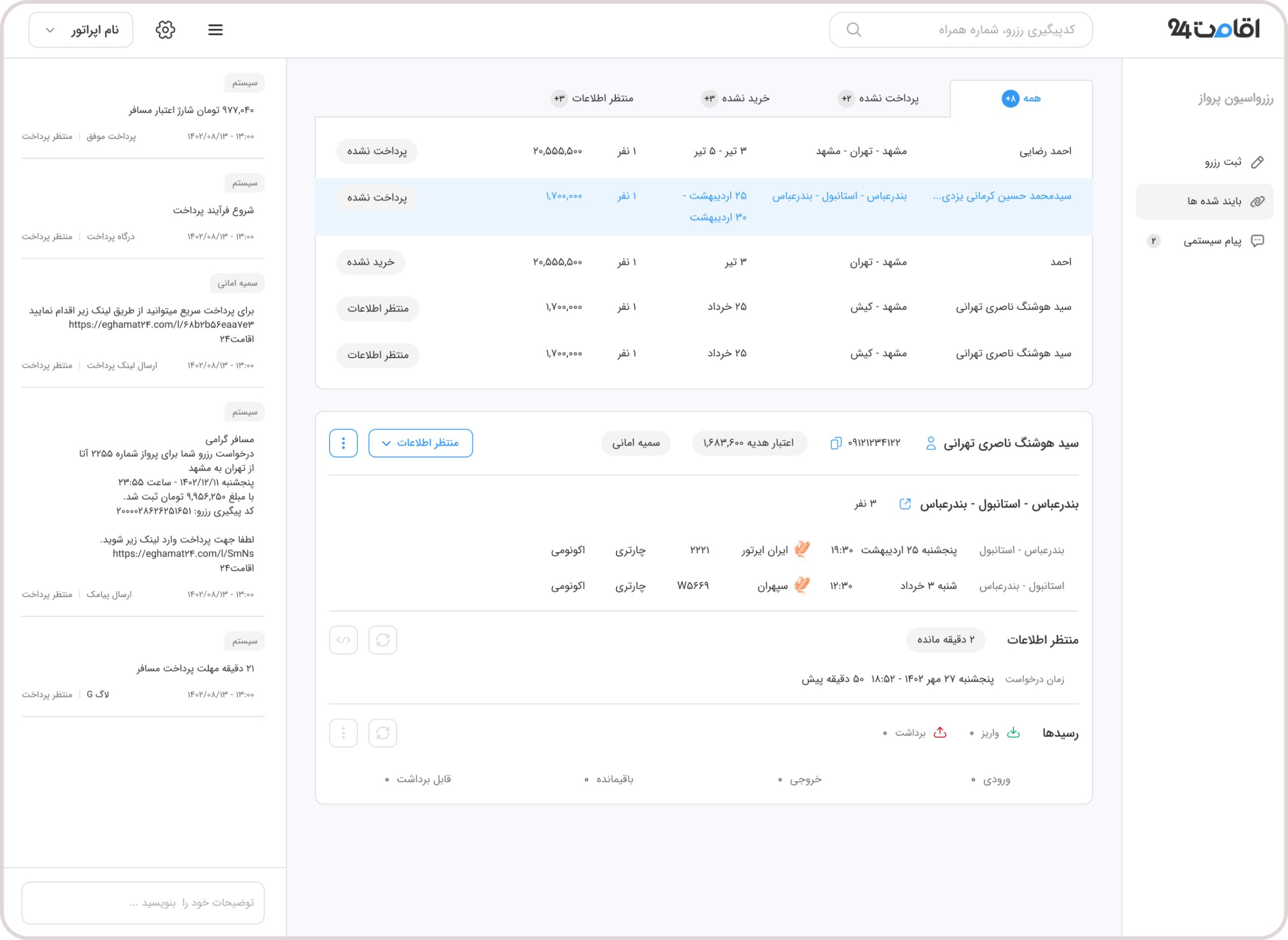
The panels were redesigned using a modular architecture, allowing new features to be added without restructuring the entire interface.
Information was reorganized based on operators’ mental models, ensuring that related actions and data appeared together and reducing unnecessary navigation between sections.
Another key decision was to unify the interaction patterns across both Tour and Flight panels. Although their business logic differed, keeping layouts, behaviors, and navigation consistent significantly reduced the learning curve for operators.
The redesign also leveraged the company’s Design System, enabling reusable components and a consistent user experience across all internal panels.
.
Developer Handoff
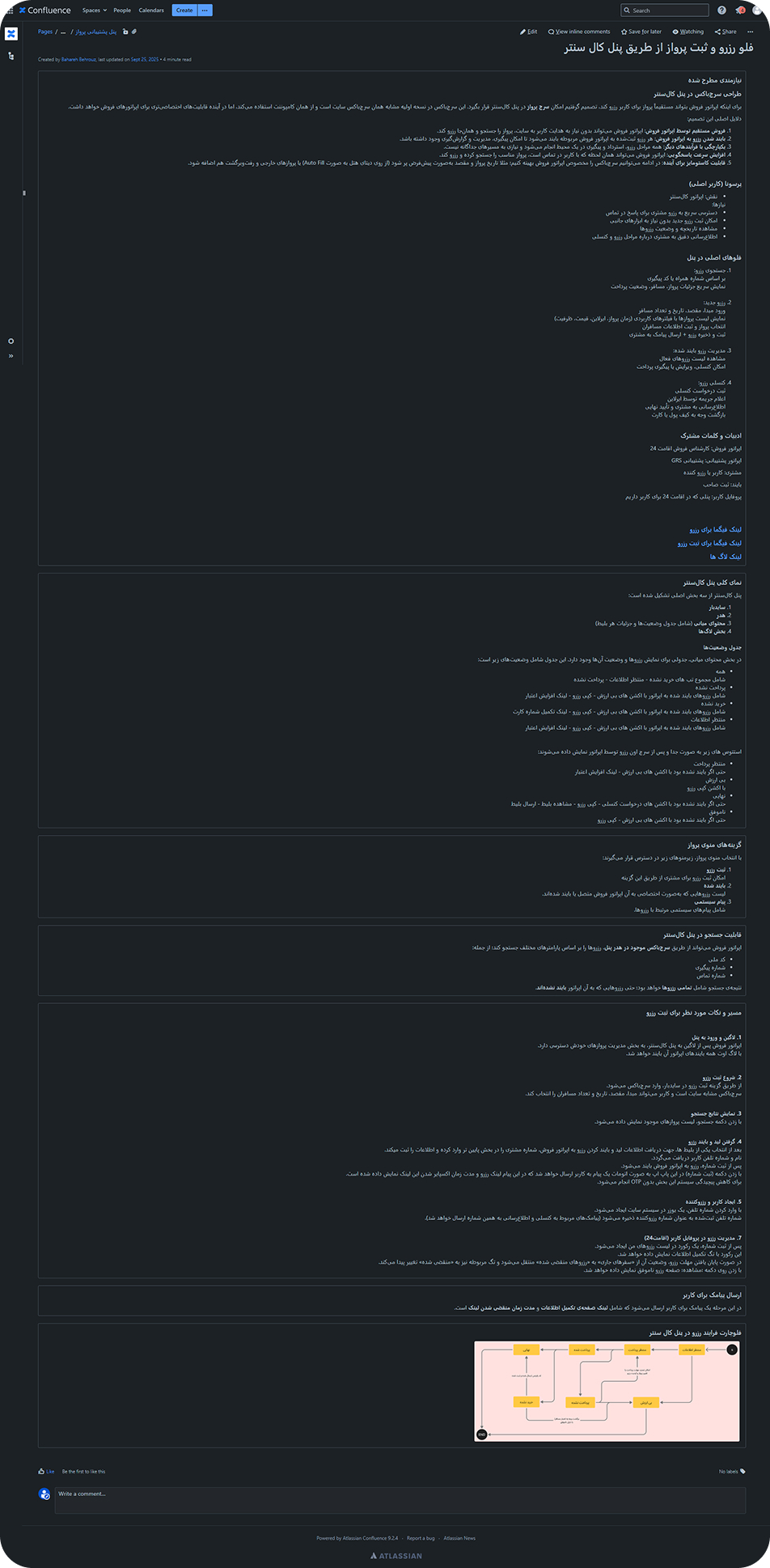
Once the designs were finalized, the project was handed over through well-organised Figma files, design documentation, and Figma Dev Mode.
Throughout implementation, I worked closely with the development team to clarify interactions, validate implementation details, and ensure design consistency in the final product.
.
Results
After release, the redesigned panels significantly improved the efficiency of the call center team.
Key outcomes included:
- Faster reservation management workflows
- Reduced human errors during reservation operations
- Easier onboarding and training for new operators
- Consistent experience across Tour and Flight panels
- A scalable, modular foundation for future feature development
- Positive feedback from both the Call Center and Product teams
.
Key Takeaway
This project reinforced the importance of designing around real operational workflows rather than interface assumptions.
By observing users directly, simplifying complex processes, and creating a modular system supported by the Design System, we transformed fragmented operational tools into a scalable platform that improved both usability and future product development.